
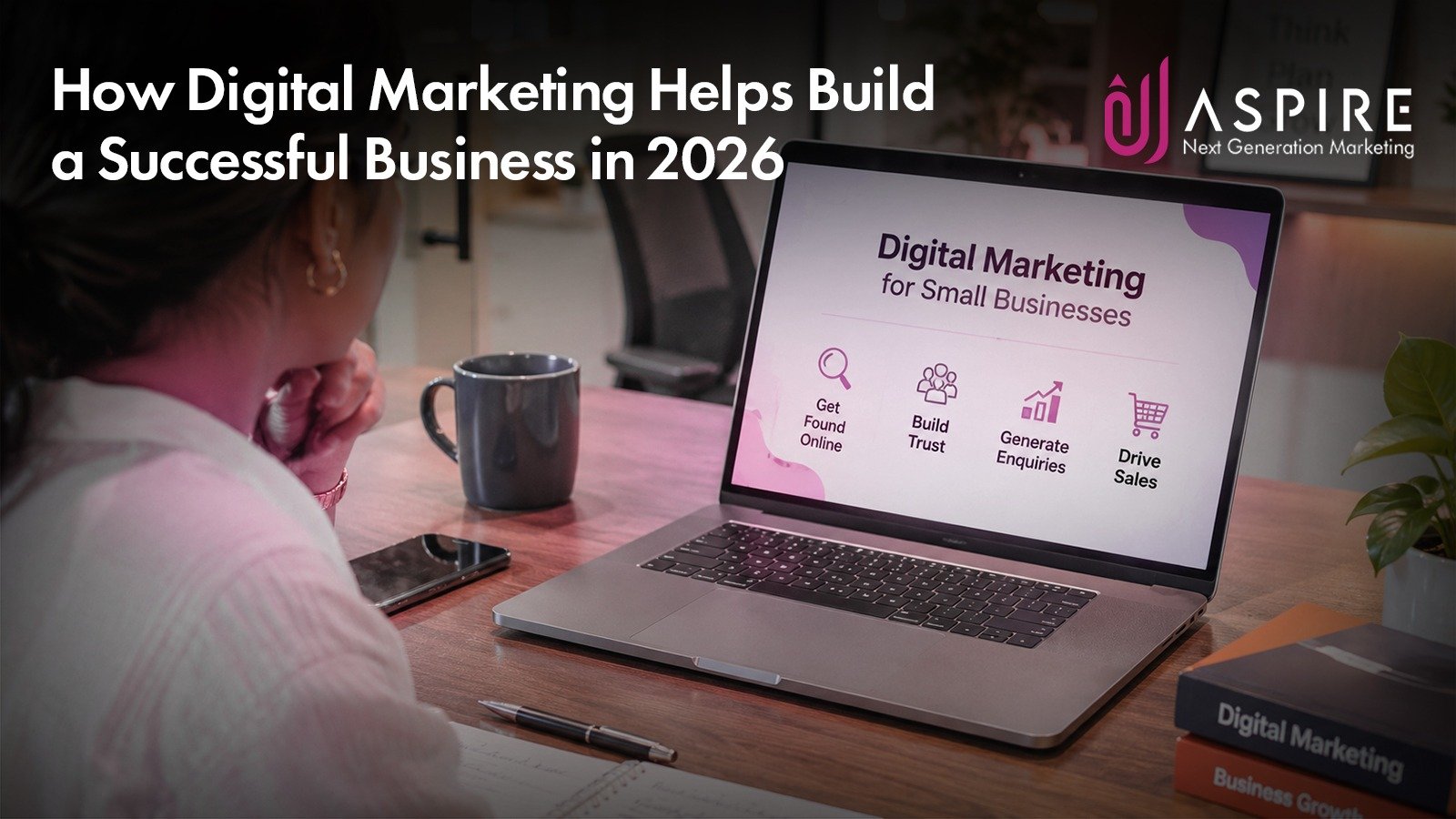
How Digital Marketing Helps Build a Successful Business in 2026
Most business owners have heard that they need an online presence. Fewer know what that actually means for daily enquiries, sales and reputation. Digital marketing for small businesses has moved well beyond posting on social media now and then. In 2026, it shapes how people find you, judge you and decide whether to get in touch. The real question is no longer whether to start, but how to begin without wasting time and effort.
Why Digital Marketing for Small Businesses Matters More in 2026
Customers research before they buy. They check reviews, compare options on their phones and look for proof before they speak to anyone. A business that is hard to find or hard to understand loses those early decisions without ever knowing it happened.
- Buyers search on Google, scroll Instagram and ask AI assistants for recommendations before they visit a shop or book a service
- Reviews and ratings shape trust before a single conversation begins
- Mobile devices now handle most of the browsing that leads to an enquiry
- Businesses that show up consistently often win the first call, even when their offer is similar
What digital marketing actually does for your business
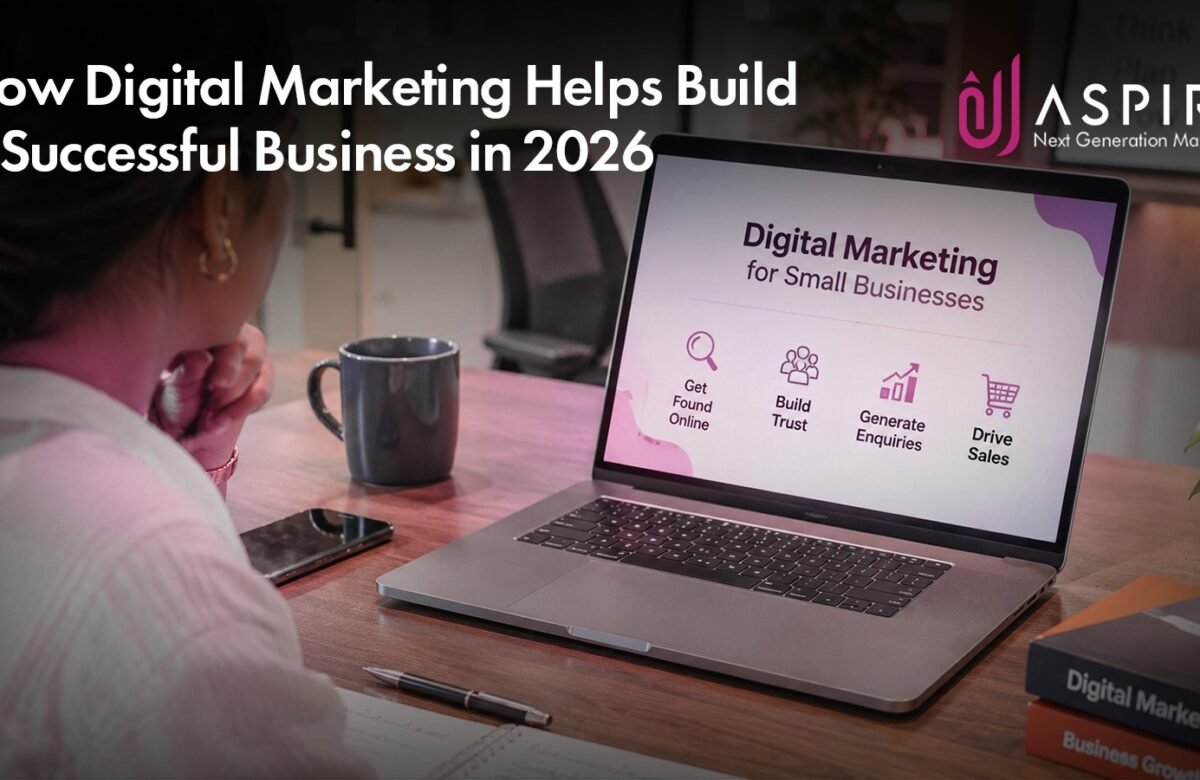
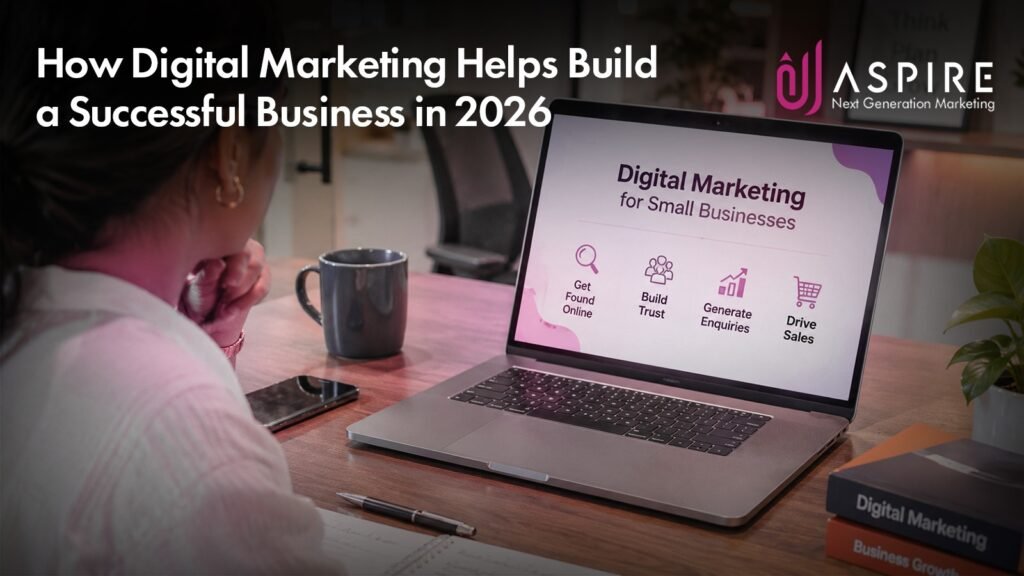
At its best, digital marketing connects four things: people who need what you sell, a clear message explaining how you solve their problem, a channel where they already spend time, and a way to measure what happens next. When one of those parts is missing, effort tends to disappear without much result.
- Brings enquiries from people who are actively searching for your service
- Builds familiarity with people who may need you later
- Keeps existing customers engaged through email, messaging and social updates
- Shows which activities produce real leads, so you stop guessing
Core channels that support small business growth
Digital marketing for small businesses works best when each channel supports the others. A strong Google presence makes your social content more believable, and good reviews make your ads convert better.
- Search Engine optimization: helps your website appear when people look for your services in your area
- Google Business Profile: puts your hours, location, photos and reviews in front of local customers
- Paid search and social ads: gives you control over who sees your offer and when
- Social media content: builds recognition and gives customers a reason to stay in touch
- Email and WhatsApp follow-up: turns one-time enquiries into repeat business
Building trust before the first conversation
Trust is often decided long before someone calls or fills in a form. Small businesses have an advantage here, because a genuine local reputation and personal attention can be easy to show when the online presence is set up well.
Start by making your credibility visible. Show who runs the business, what experience sits behind the service and what past customers said about the work.
- Publish a clear About page with named team members and their qualifications
- Share before-and-after results, case studies or examples of completed work
- A professionally developed website helps businesses display customer reviews, showcase their services, and build credibility with potential customers.
- Keep contact details, hours and service areas identical across every platform
Digital marketing benefits you can measure
Digital marketing earns its place because results can be tracked, compared and improved over time. Unlike many offline campaigns, you can see within weeks whether a page, post or ad is bringing the right people closer to a decision.
- Less guesswork: you can see which pages, posts and ads bring real enquiries
- Focused reach: local and audience targeting keeps your effort on the people most likely to buy
- Faster feedback: you can change direction in weeks rather than waiting out a full season
- Stronger relationships: regular, relevant communication keeps customers coming back
- More control over reputation: a place to respond to reviews and share proof of your work
Business Growth Strategies that work alongside digital marketing
Marketing works best when it supports a clear plan. Visibility alone rarely turns into lasting growth, so the strategies below help small businesses connect their online activity to real business outcomes.
- Define one or two services to promote first, rather than trying to sell everything at once
- Map a simple customer journey, from the first search to the second purchase
- Collect reviews after every completed job or sale, while the experience is still fresh
- Track monthly enquiries, conversion rate and repeat customers
- Review your offer every quarter and adjust messaging based on the questions customers actually ask
Measuring what matters
Vanity numbers such as follower counts can look encouraging, but they rarely tell you whether the business is improving. Choose a small set of measures that link directly to enquiries and sales, then review them on a regular schedule.
- Enquiries by source, so you know whether calls come from search, social, referrals or ads
- Website pages that generate contact form submissions or phone calls
- Review volume and average rating over time
- Repeat customers and referrals, which show whether the experience is holding up
Planning your first 90 days
A focused plan beats a scattered one. Use the first three months to build a solid foundation, test a couple of channels and learn what your customers respond to. You do not need a large project to begin, but you do need a clear sequence.
- Month one: fix your Google Business Profile, check contact details and set up basic tracking
- Month two: publish helpful content that answers your five most common customer questions
- Month three: run a small test on one paid channel and compare the enquiries with your own records
- Ongoing: respond to every enquiry quickly and ask happy customers for reviews
Common mistakes to avoid
- Posting often without a clear purpose or call to action
- Ignoring reviews, or replying with generic templates
- Sending ad traffic to a homepage that doesn’t explain the offer
- Judging results after a few days, before enough data has come in
- Switching channels every month before any of them has a fair test
How Aspire Digital Media can help
Aspire Digital Media is a digital marketing agency that plans and manages marketing across search, social and content. We start by understanding your customers, then build a plan around your Google presence, your website, your social channels and your follow-up process. Every activity is tied to enquiries, so you can see what is working and what needs to change.
If you want a clearer picture of where your business stands online, speak with the Aspire Digital Media team. We will review what you already have, point out the quickest improvements and suggest a practical next step.
FAQs
Smaller businesses usually need focused local reach, lean processes and quick feedback rather than large brand campaigns.
Start with the channel where your customers already search or spend time, usually Google and one social platform, and do it well.
Profile and listing fixes can show results within weeks. Content and reputation work usually builds over three to six months.
No. Choose the platforms your customers actually use and do those well before adding others.
Not always. Many owners start in-house, but an agency can save time and bring testing discipline to the process.