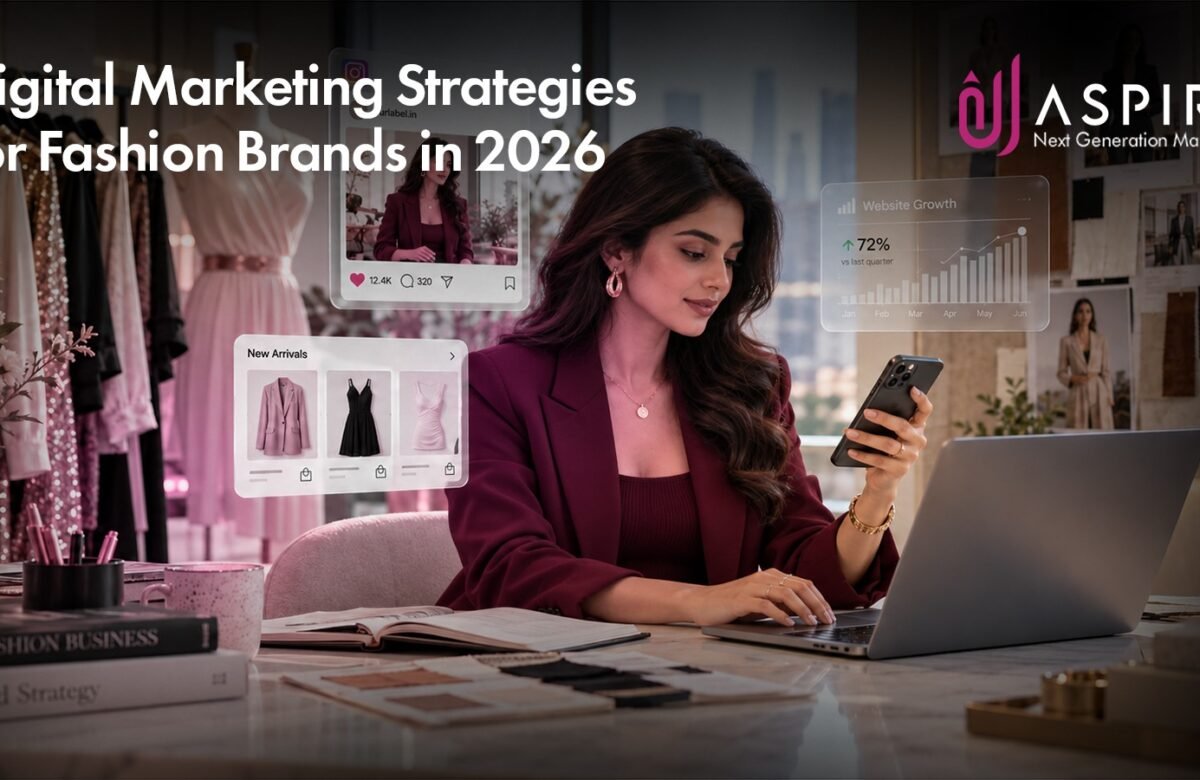



Digital Marketing Strategies for Fashion Brands in 2026
Fashion moves fast. What worked for your collection last season might feel stale by the time customers see it online. If you’re running a fashion brand right now, you know your marketing has to keep pace—or outpace—your competitors. The brands winning in 2026 aren’t relying on outdated tactics. They’re combining trend data, social proof, and smart content to cut through the noise.
Why Fashion Brands Need Different Marketing
Fashion’s audience isn’t like any other. Your customers are scrolling through dozens of images a day, comparing styles, and making split-second decisions about whether something fits their aesthetic. That means digital marketing for fashion brands demands real visuals, authentic storytelling, and timing that lines up with what people actually care about wearing.
It’s not enough to post pretty pictures. You need:
- A clear sense of who’s buying your pieces and why they’re attracted to your brand
- Content that shows your products in real contexts (worn by real people, styled for real occasions)
- Platforms where your audience is already hanging out
- Posts timed to hit when people are actually browsing and ready to buy
Platform Strategy: Where Your Audience Lives
Not all social platforms work equally for fashion. Instagram and TikTok dominate, but they require different approaches. Here’s what’s working:
Instagram remains crucial for fashion brands because the feed lets you showcase collections as cohesive stories. Reels are where the engagement happens now—short clips of styling tips, behind-the-scenes production, or trending audio with your pieces. Static carousel posts still convert for product launches.
Pinterest still punches above its weight for fashion because users are actively searching for ideas and saving them. People go to Pinterest with intent—they’re ready to discover, not just scroll. Rich pins with price information and direct links perform especially well.
YouTube works for longer storytelling: production processes, designer interviews, and lookbook collections. It builds authority and keeps people engaged longer than any other platform.
Email isn’t sexy, but it converts. Segmented email lists—organised by purchase history, browsing behaviour, or demographic—still drive the highest ROI for e-commerce fashion brands.
Content That Actually Converts
Digital marketing strategies for fashion brands need visual depth. Here’s what resonates:
- User-generated content from actual customers wearing your pieces (more trusted than polished ads)
- Before-and-after styling transformations showing the same piece three different ways
- Seasonal guides that help customers build outfits (not just sell individual items)
- Educational content about fabric care, sizing, or trend forecasting
- Behind-the-scenes looks at your production or design process
The brands gaining traction now are mixing high-polish imagery with raw, authentic moments. A perfectly lit studio shot of a new dress gets attention. A video of your production team actually making it gets the sale.
Influencer and Creator Partnerships
Working with influencers works—but the playing field shifted. Micro-influencers (5,000–50,000 followers) often deliver better engagement and more authentic recommendations than celebrity accounts with millions. Look for creators whose audience actually matches your brand values and customer demographic.
The most effective collaborations right now involve:
- Sending pieces and letting creators style them authentically (rather than writing scripts for them)
- Long-term ambassador relationships instead of one-off posts
- Affiliate commissions tied to actual sales
- Collaborative collection launches or limited drops
SEO and Search Traffic
Your website needs to show up when people search for what you sell. Digital marketing for fashion brands isn’t just social—it’s also organic search. Fashion searches (“sustainable winter coats”, “oversized blazers for work”) bring high-intent traffic. Use these searches to inform your product descriptions, blog content, and category pages.
Blog posts about fashion trends, care guides, and style tips capture traffic and establish your brand as knowledgeable. These pieces don’t sell directly, but they pull people into your ecosystem.
Paid Ads: Testing and Spending Smart
Paid advertising on Meta platforms (Instagram and Facebook) still converts for fashion, but the cost-per-acquisition has risen. What works now:
- Video ads showing movement and styling (not just static product shots)
- Lookalike audiences built from your best customers
- Dynamic product ads retargeting people who’ve browsed without buying
- Testing multiple creative angles and pausing what doesn’t work by day three
Budget allocation matters. Start small, test winning ads harder, and scale only what actually moves inventory.
Building Community, Not Just Reach
The brands standing out in 2026 treat their audience like a community. They respond to comments, run polls in Stories, host live styling sessions, and ask for feedback. This builds loyalty—and loyal customers spend more and refer friends.
Aspire Digital Media: Your Partner in Fashion Marketing
If managing all these channels and strategies feels overwhelming, that’s where specialised support makes a difference. Digital marketing strategies for fashion brands require expertise across social content, paid ads, email segmentation, and SEO. Aspire Digital Media has built campaigns for fashion brands in Kolkata and across India, combining data-driven strategy with creative execution.
We work with your team to understand your brand voice, your customer, and your seasonal rhythms. Then we execute: managing your social channels, running paid campaigns, producing content, and tracking what actually converts. Whether you’re launching a new collection or scaling an existing brand, Aspire Digital Media keeps your marketing aligned with your business goals.
Moving Forward
Digital marketing for fashion brands in 2026 isn’t about chasing every new trend. It’s about showing up consistently where your customers are, creating content that’s worth their time, and building relationships that turn browsers into buyers. The tools and platforms will keep changing, but these fundamentals won’t.
FAQs
Instagram 3–5 times weekly. Pinterest: daily or near-daily. Focus on consistency over frequency—a solid posting schedule beats sporadic uploads.
Start with a test campaign and track results for 3–5 days before scaling what works. Small initial spend lets you gather data without heavy investment.
Yes. Email lists are owned media; social followers aren't. Email usually delivers 3–5× higher ROI than social ads.
3–6 months to see meaningful organic traffic, depending on competition and content quality. Paid ads are faster for immediate sales.
Track engagement rate, click-through rate, and conversion rate. Reach vanity metrics; revenue and customer acquisition cost matter far more.