
How Social Media Marketing Helps Beauty Brands Grow
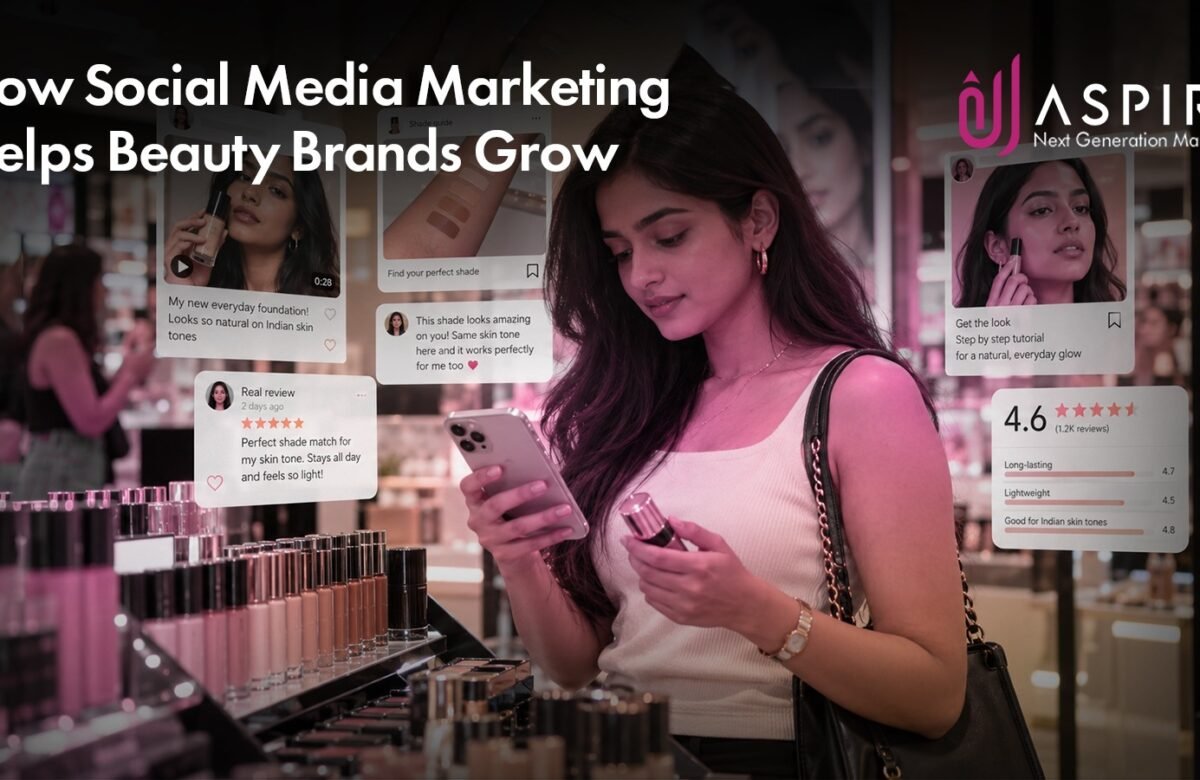
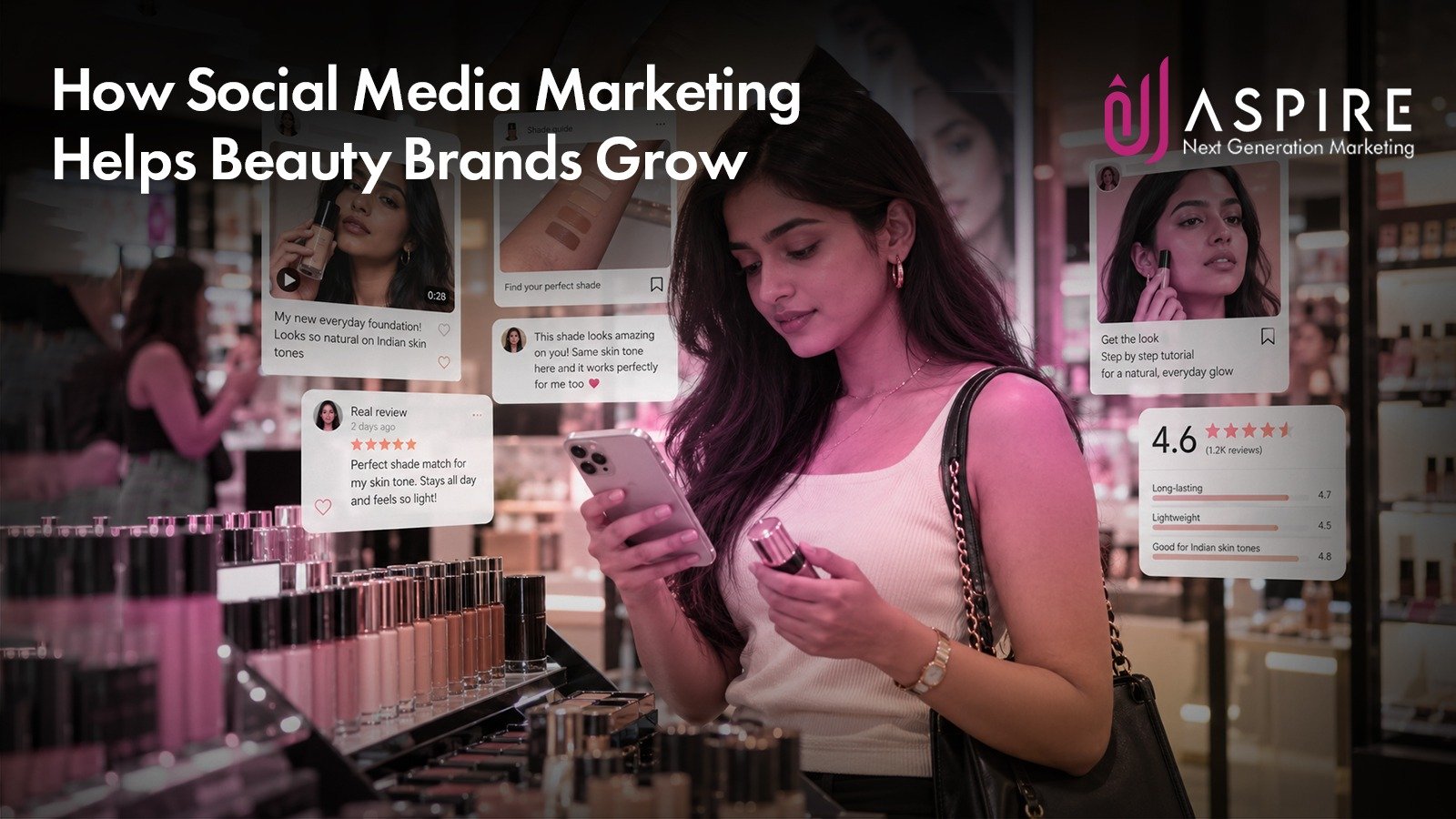
Walk into any beauty store in Kolkata and watch what people do before they buy. Most of them take out their phone. They check a shade swatch on Instagram, read the comments under a review, and look for someone with their skin tone wearing the same product. The decision starts on social media, long before the shelf.
That’s why social media marketing for beauty brands has become one of the most direct routes to growth in the category. Beauty is visual, personal and built on trust, and social platforms suit all three. This post covers what works, what to post and where brands usually lose people.
Why Beauty and Social Media Fit So Well
Few categories match a platform as naturally as beauty does. A skincare routine, a foundation shade, a hair colour change: all of it shows better on video than in a product description.
- Customers buy with their eyes. Texture, finish, glow and coverage are hard to explain in words and easy to show in ten seconds.
- Trust comes from people, not packaging. A real customer saying, “This worked on my oily skin in Kolkata’s humidity,” does more than any tagline.
- Discovery happens in the feed. People find new brands through Reels, saves and shares, often without searching for anything.
- Products get reordered. Skincare, haircare and fragrance are repeat purchases, so a brand that stays visible keeps its customers.
- Seasons drive demand. Puja looks, wedding-season makeup, summer sunscreen and monsoon frizz all send people searching, and social lets you show up at the right moment.
What Social Media Does for a Beauty Brand
Social media marketing for beauty brands does more than collect likes. It works at every stage of the buying process.
- Awareness: Reels and creator collaborations put your products in front of people who’ve never heard of you.
- Consideration: Tutorials, ingredient explainers and shade guides answer questions before a customer has to ask them.
- Purchase: Product tags, shop links and WhatsApp catalogues shorten the gap between “I like this” and “I ordered it.”
- Loyalty: Quick replies, reposted customer photos and a little attention in the DMs turn first-time buyers into regulars.
- Insight: What people save, share and ask about tells you what to restock, launch or fix next.
Content That Gets Beauty Brands Noticed
The brands that grow fastest rarely post only product shots. They post things people want to watch, save and send to a friend.
- Tutorials and get-ready-with-me videos: Show the product in a real routine, from bare skin to finished look.
- Honest before-and-afters: Same light, same angle, no heavy filter. Audiences spot-edited results quickly, and they remember it.
- Ingredient explainers: Tell people what niacinamide or hyaluronic acid actually does, in plain language.
- Myth-busting: Short answers to questions like “Does a higher SPF mean I can skip reapplying?” get saved a lot.
- Behind the scenes: How a batch is made, how formulas are tested, how orders get packed.
- Customer content: Real photos and reviews, shared with permission.
- Seasonal edits: Wedding looks, Puja glam, monsoon hair care, summer skin routines.
A simple rule helps here. For every post that sells, publish two that teach or entertain. People follow accounts that are useful, and they buy from accounts they trust.
A realistic week for a small team might look like this:
- Monday: One tutorial Reel showing a single product in use.
- Wednesday: A carousel explaining an ingredient or a routine.
- Friday: A customer review or reposted photo, with permission.
- Weekend: Stories with polls, shade questions or a quick Q&A.
That’s four pieces of planned content, which most teams can keep up for months without burning out.
Picking the Right Platforms
You don’t need to be everywhere. Social media marketing for beauty brands works best when two platforms get real attention instead of five getting leftovers.
- Instagram: The main stage. Reels for discovery, Stories for daily updates and polls, carousels for guides and routines.
- YouTube: Longer reviews and tutorials that people search for, plus Shorts for quick reach.
- Facebook: Still useful for older customers and local community groups.
- WhatsApp: Catalogues, order confirmations and restock alerts for customers who’ve opted in.
Start with Instagram, add one more once your posting rhythm is steady, and go from there.
Working With Creators
Creators can introduce a new brand faster than almost any ad. They can also sink a campaign if the match is wrong.
- Match skin type and tone. A reviewer with dry skin won’t convince a customer with oily skin.
- Look at micro-creators. Smaller, engaged followings often respond better than big names because their audiences actually listen.
- Send the product early. Let them use it for a couple of weeks before they post.
- Ask for honest reviews. Scripted praise reads as scripted.
- Insist on clear disclosure. It protects the creator and the brand.
- Work together more than once. Repeat appearances build familiarity, and familiarity builds trust.
Paid Social: Getting the Right People to See It
Organic posts build trust. Paid campaigns give that trust a wider reach.
- Target by city, age and interest. A launch in Kolkata should reach people in Kolkata first.
- Retarget warm audiences. Show ads to people who visited your website or watched most of a reel.
- Test creatives. Run two or three versions side by side and keep the one that performs.
- Hook in three seconds. Open with the result or the problem, not a logo.
Measure What Matters
Likes feel good, but they don’t tell you much about growth. Track these instead:
- Saves and shares: People want to come back to this content or pass it on.
- Profile visits and website clicks: Interest is turning into action.
- DMs and comments asking about shades or availability: Buying intent, in plain sight.
- Conversions: Orders that trace back to a post or an ad.
- Repeat purchases: Customers who return for a second order.
Review these once a month. Drop what isn’t working and do more of what is.
Mistakes Beauty Brands Make
- Posting only product photos with no reason to watch.
- Using filters that make the product look different from the real thing.
- Leaving comments and DMs unanswered for days.
- Chasing every trend, even the ones that don’t fit the brand.
- Posting in bursts, then disappearing for two weeks.
- Copying other brands instead of finding a voice of your own.
Most of these come down to inconsistency. Social media marketing for beauty brands rewards the ones that show up regularly, reply fast and stay honest about what the product does.
How We Support Beauty Brands
Aspire Digital Media is a Kolkata-based digital media agency that has worked with 350+ brands across industries. For beauty clients, our social media marketing services in Kolkata cover the whole process under one roof:
- Strategy: Audience research, positioning and a monthly content calendar.
- Content: Reels, carousels, product shoots and captions written in your brand’s voice.
- Creator partnerships: Finding, briefing and managing creators who suit your customers.
- Paid campaigns: Setup, testing and monthly reporting.
- Community management: Replies, DMs and comment moderation.
Launching a new range or trying to get more from your current one? Talk to the team at Aspire Digital Media, and we’ll map out what your social presence should look like over the next three months.
FAQs
Most brands see engagement pick up within six to eight weeks. Steady sales growth usually takes three to four months of consistent posting.
Instagram is the best starting point because of Reels and Stories. Add YouTube and WhatsApp once your routine is steady.
Not at the start. Strong content and customer reviews can carry you, and micro-creators can be added when you’re ready to widen reach.
Four to five posts a week, with Stories almost daily is a workable rhythm. Consistency matters more than volume.
If your team is busy running the business, yes. Look for social media marketing services in Kolkata that handle strategy, content and reporting together.